PREVIEW
The player for this Journal volume is only available to current members or listeners with a legacy account. If you have an active membership, log in here. If you’d like to become a member — with access to all our audio programs — sign up here.
Guests heard on Volume 156
Kimbell Kornu, MD, PhD, on the formation of a new school of medicine at Belmont University in Nashville, and on two published papers
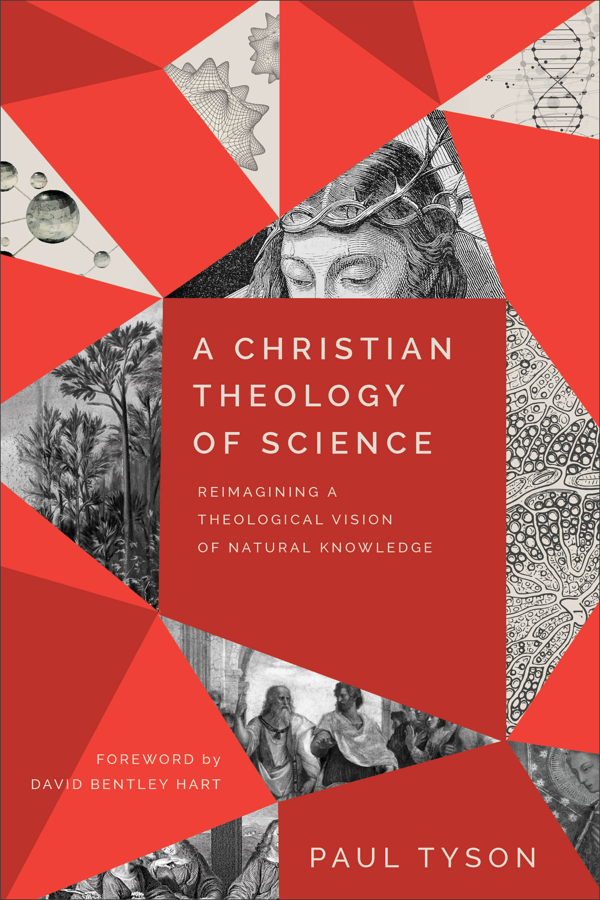
Paul Tyson, author of A Christian Theology of Science: Reimagining a Theological Vision of Natural Knowledge, on how the conventional definition of “science” makes metaphysical claims in the name of excluding metaphysical claims
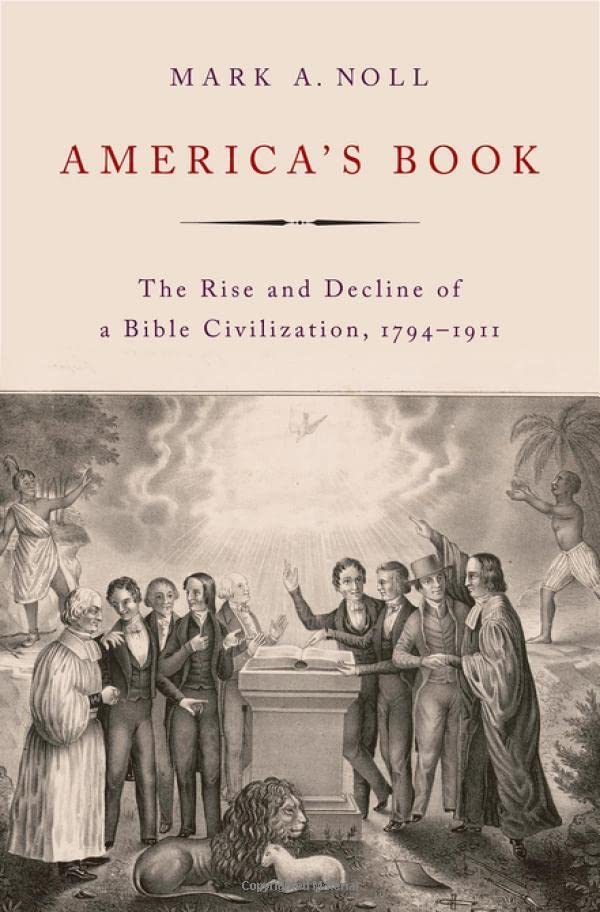
Mark Noll, author of America’s Book: The Rise and Decline of a Bible Civilization, 1794–1911, on how the Bible shaped American history, and how American ideologies shaped the reading of the Bible
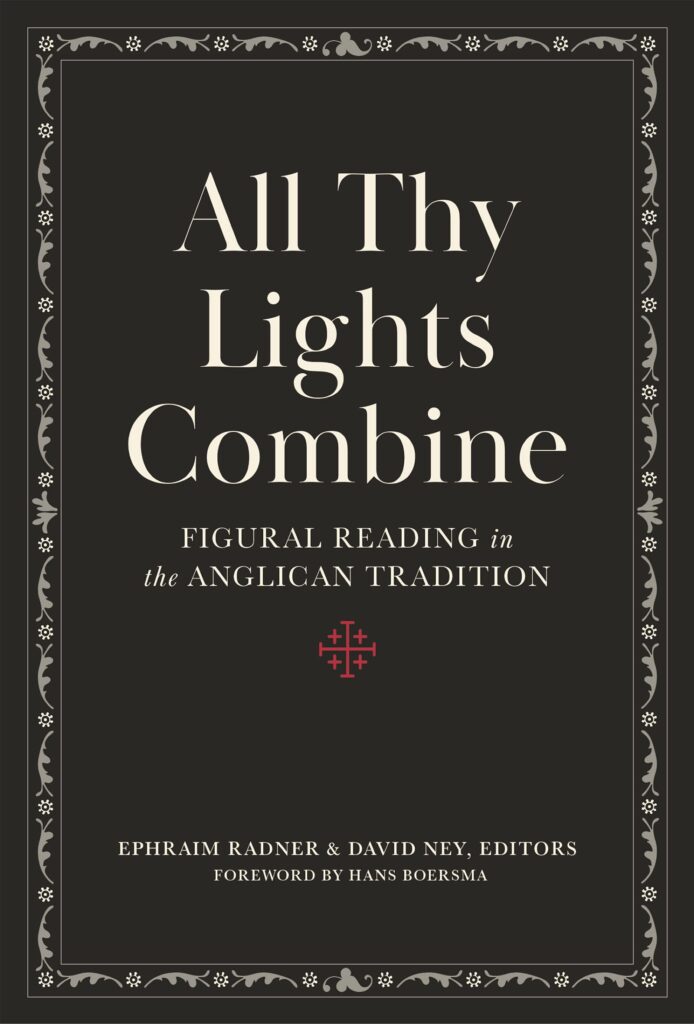
David Ney, co-author of All Thy Lights Combine: Figural Reading in the Anglican Tradition, on how reading the Bible “figurally” opens us to its layers of meaning and to the transforming work it effects
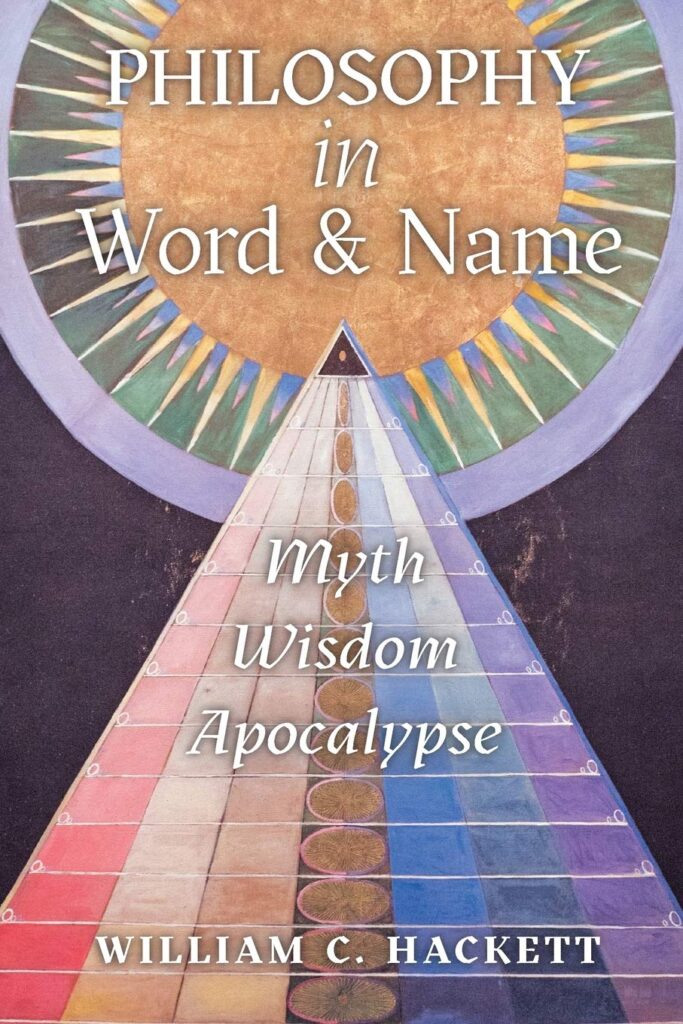
William C. Hackett, author of Philosophy in Word and Name: Myth, Wisdom, Apocalypse, on the relationships between philosophy and theology, and of both to the meaning embedded in myth (Archive Feature available)
Marian Schwartz, translator of Eugene Vodolazkin’s Brisbane: A Novel, on the challenges and rewards of translating Eugene Vodolazkin, Leo Tolstoy, Aleksandr Solzhenitsyn, and others
Related reading and listening
- Paradoxes of “nature” and “culture” — Robert Spaemann, on the destructive consequences of a merely naturalistic understanding of nature
- How to make war on nothingness? — David Bentley Hart argues that if it rejects Christ, the only remaining option for a post-Christian culture is conscious or “narcotic” nihilism, which takes the form of absolute, meaningless volition. (66 minutes)
- Divine love and human sexuality — Paul Tyson argues that views about sexuality are downstream from theological — or at least metaphysical — assumptions about human nature. (16 minutes)
- Silence at the end of history — Alan Jacobs examines several literary imaginings of “the last days” and argues that such narration is profoundly inadequate and perhaps even presumptuous. (51 minutes)
- “Subtraction stories” and a longing for transcendence — In this lecture, James K. A. Smith explores key elements of Charles Taylor’s understanding of what it means to live in a secular age. (43 minutes)
- Technophiliac obsessions — FROM VOL. 141 Literary and media scholar Grant Wythoff talks about the “father of science fiction,” Hugo Gernsback. (26 minutes)
- University or “utiliversity”? — In this essay, Reinhard Hütter examines in depth John Henry Newman’s The Idea of a University and argues that its insights and prescriptions are urgently relevant to the current status of higher education. (87 minutes)
- “Beginner adult” or “special kind of child”? — FROM VOL. 44 Thomas Hine takes an historical — rather than a psychological — approach to the development of the concept of the teenager. (10 minutes)
- The avant garde of secularization — FROM VOL. 38 Alvin Kernan explains sweeping changes in American university education since the 19th century. (11 minutes)
- The law of faith and of love — Oliver O’Donovan compares St. Augustine’s interpretation of Psalm 119 with that of others, revealing Augustine’s more nuanced understanding of the complexities of the life of faith that the psalmist explores. (64 minutes)
- A mixed reception — FROM VOL. 162 Mark Noll discusses early critical reception of C. S. Lewis’s work in America. (29 minutes)
- Seneca’s moral courage — Dana Gioia explains how Seneca’s family was interwoven with the Roman governing class, ultimately leading to the philospher’s death at the hands of Emperor Nero. (27 minutes)
- Excluding cranks and dabblers — Drusilla Scott on Michael Polanyi’s insistence that the “community of science” required authority
- How discovery happens — Esther Lightcap Meek on Michael Polanyi’s account of scientific discovery
- Making contact with reality — FROM VOL. 139 Esther Lightcap Meek discusses the realism of philosopher and chemist Michael Polanyi. (23 minutes)
- Knowing the world through the body — FROM VOL. 76 Professor Martin X. Moleski explains why Michael Polanyi (1891-1976) left his career in science to become a philosopher. (16 minutes)
- Wonder, being, skepticism, and reason — FROM VOL. 135 Matthew Levering talks about the long and rich tradition of reasoning about God. (23 minutes)
- Self-transformation, American style — Jackson Lears on late-19th-century visions of rebirth
- Modernity and the shaping of America — FROM VOL. 48 Historian Jon Butler explains how aspects of modernity were already present and at work in colonial American life prior to 1776. (12 minutes)
- Eugenics and the rise of “evolutionary ethics” — FROM VOL. 70 Richard Weikart describes evolutionary ethics and examines the ties between national racism and the eugenics movements of the late nineteenth and early twentieth centuries. (16 minutes)
- On Eugenics in America — Christine Rosen explores early eugenics support in the early 1900s and current “participatory evolution” practices. (50 minutes)
- “The system will be first” — FROM VOL. 27 Robert Kanigel describes the transformation of work due to Frederick Winslow Taylor’s concept of scientific management. (11 minutes)
- What hath “manifest destiny” wrought? — Daniel Walker Howe on the eschatological imagination that encouraged American expansion
- Post-Christian America and the “unlimited technological future” — George Parkin Grant on technology and the Puritan legacy of “unflinching wills”
- Recognizing the Puritan flavor of “America” — George McKenna on the originally theocentric vision for the American vocation
- Progress and God’s providence in American history — Historians Daniel Walker Howe and George McKenna explain religious understandings of God’s purpose for America in the 19th century and colonial era, respectively. (34 minutes)
- Countering American apathy toward history — FROM VOL. 124 Historian John Fea discusses how American and Protestant individualism continues to influence our orientation toward the past. (22 minutes)
- “Detachment as a whole way of life” — FROM VOL. 85 Professor Christopher Shannon discusses how early twentieth-century social scientists encouraged the American idea that individual identity works against communal membership. (17 minutes)
- Alchemy, astrology, energy, and gnosticism — FROM VOL. 85 Catherine Albanese describes the varieties of “metaphysical religion” popular in early American history and draws connections with the more recent New Age movement. (14 minutes)
- Nature’s intelligibility — In this lecture, Christopher Blum argues that scientists need to regain a full appreciation of nature’s intelligibility, as they are apt to lose sight of reality due to the reductionism produced by their theories. (31 minutes)
- Mars Hill Audio Journal, Volume 163 — FEATURED GUESTS: Andrew Youngblood, R. J. Snell, Nicholas Denysenko, Nigel Biggar, Robert McNamara, and David Cayley
- Cosmetic surgery and human perfectibility — Elizabeth Haiken examines the shift that occurred in 20th century America from a focus on developing character to a focus on developing “personality” and achieving physical perfection. (19 minutes)
- Embodied knowledge — FROM VOL. 121 James K. A. Smith advocates for a return to some pre-modern conceptualizations of the human body. (18 minutes)
- Paradoxical attitudes toward plastic — Jeffrey Meikle traces the technological, economic, and cultural development of plastic and relates it to the American value of authenticity. (15 minutes)
- From shadows to the light of reality — FROM VOL. 153 Louis Markos argues that Plato needs to be recognized for his unique and serendipitous role in preparing the world for Christ. (24 minutes)
- The recovery of true authority for societal flourishing — Michael Hanby addresses a confusion at the heart of our current cultural crisis: a conflation of the concepts of authority and power. (52 minutes)
- Science’s need for philosophy and revelation — D. Stephen Long explores a consistent theme in the work of theologian Hans Urs von Balthasar: the relationship between Christianity, modernity, and secularity. (46 minutes)
- The roots of American disorder — In this reading of an article from 2021 by Michael Hanby, the critique of Marxism in Augusto del Noce’s work is compared with texts from the American Founders. (79 minutes)
- Mars Hill Audio Journal, Volume 162 — FEATURED GUESTS: Mark Noll, R. Jared Staudt, Paul Weston, William C. Hackett, Hans Boersma, and David Paul Baird
- Early evangelical response to C. S. Lewis — Historian Mark Noll discusses the reasons why American evangelicals were initially slow to warm to Lewis. (15 minutes)
- The integration of theoretical and mythic intelligence — FROM VOL. 156 William C. Hackett discusses the relationships between philosophy and theology, and of both to the meaning embedded in myth. (29 minutes)
- “Muscular Christianity” and sport as language — In light of this summer’s Olympic Games, we present two sports-related archive interviews: Clifford Putney on Protestant emphasis on fitness at the turn of the 19th century; and Andrei S. Markovits on Americans and soccer. (23 minutes)
- Theological realism — Kevin J. Vanhoozer discusses theologian T. F. Torrance’s understanding of the positive relation between science and theology. (52 minutes)
- America’s not-so-Christian past — In a conversation from 2012, historian John Fea discusses the idea of America as a Christian nation. (27 minutes)
- How Christianity crossed the Atlantic — FROM VOL. 55 Mark Noll describes the different form that the Christian faith and the life of churches took when Christianity migrated to North America. (16 minutes)
- An unwitting agent for the secularization of America — Mark Noll, Nathan Hatch, and George Marsden explain how a prominent Christian Founding Father added momentum to the secularization of America
- From democracy to bureaucracy — Historian John Lukacs on the challenges of living at the End of an Age
- Ideas and historical consequences — Historian John Lukacs (1924–2019) discusses the relationship between institutions and character, popular sentiment versus public opinion, the distinction between patriotism and nationalism, and the very nature of studying history. (36 minutes)
- Seeking control, in white magic and The Green Book — Alan Jacobs on C. S. Lewis’s critique of the modern pursuit of god-like control
- Discerning an alternative modernity — In a lecture from 2019, Simon Oliver presents a summary of the cultural consequences of the comprehensiveness of the work of Christ. (28 minutes)