PREVIEW
The player for this Journal volume is only available to current members or listeners with a legacy account. If you have an active membership, log in here. If you’d like to become a member — with access to all our audio programs — sign up here.
Guests heard on Volume 157
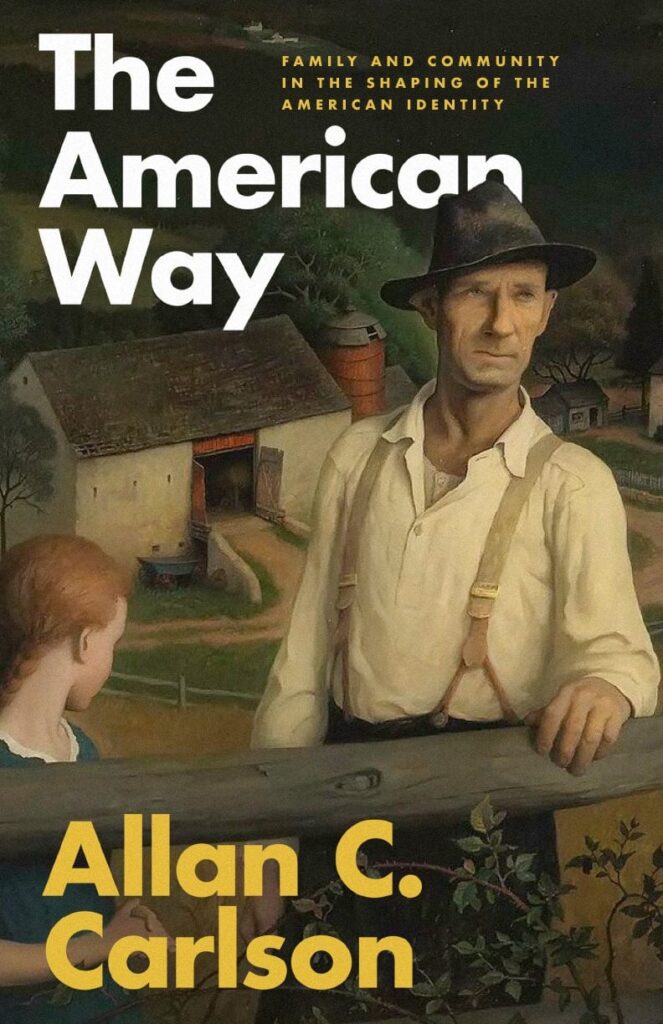
Allan C. Carlson, author of The American Way: Family and Community in the Shaping of the American Identity, on early 20th-century American political projects that supported strong family life
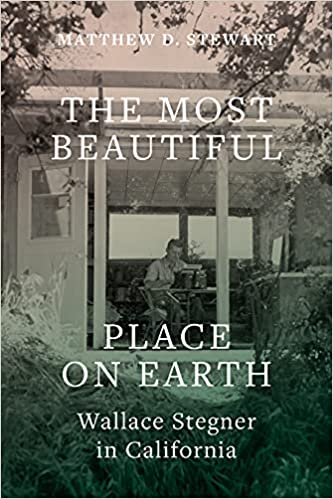
Matthew Stewart, author of The Most Beautiful Place on Earth: Wallace Stegner in California, on how the novels of Wallace Stegner explored the dilemmas of community in modern America
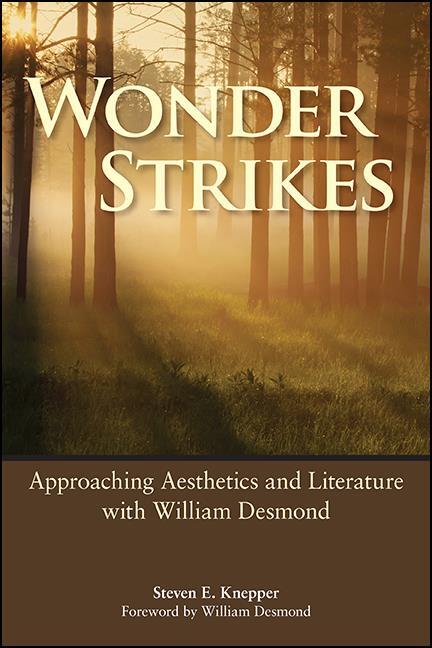
Steven Knepper, author of Wonder Strikes: Approaching Aesthetics and Literature with William Desmond, on how philosopher William Desmond’s thought recovers a metaphysics of wonder
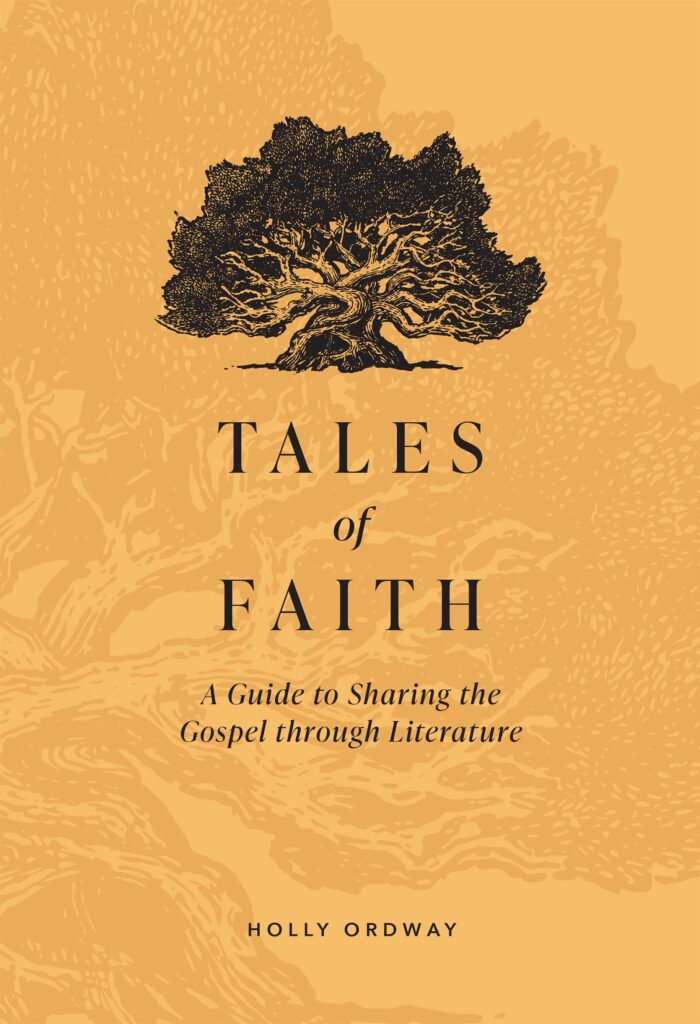
Holly Ordway, author of Tales of Truth: A Guide to Sharing the Gospel through Literature, on the “meaning-making” power of great literature and its role in evangelism
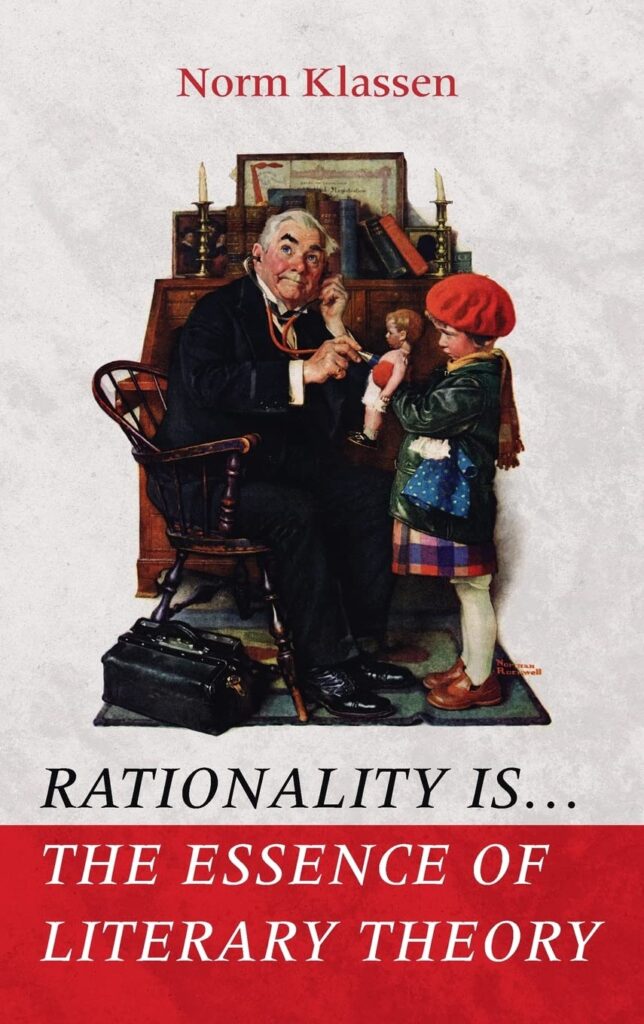
Norm Klassen, author of Rationality Is . . . The Essence of Literary Theory, on the challenges to belief in rationality in modern literary theory
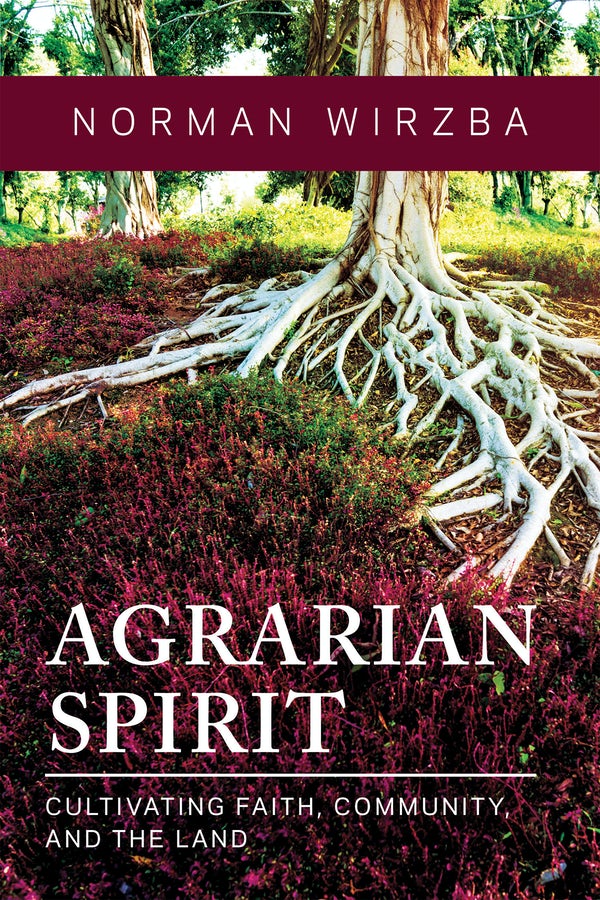
Norman Wirzba, author of Agrarian Spirit: Cultivating Faith, Community, and the Land, on how a recognition of our “meshwork” lives encourages spiritual practices with an agrarian slant
Related reading and listening
- A sampling of newly published lectures — Ken Myers introduces listeners to four recently released lectures, courtesy of our Partners. The lecturers are Jennifer Frey, Gary Saul Morson, N. T. Wright, and Andrew Kern. (27 minutes)
- Grace and Christian realism — Jennifer Frey explores Thomist elements in Flannery O’Connor’s theology and writing, with a particular emphasis on a Thomist understanding of art. (39 minutes)
- A “cosmological omnibus” — George Grant recounts the fascinating history of Hernando Colón’s attempt in the 16th century to curate a universal library of the world’s knowledge. (41 minutes)
- The pathos of sin — FROM VOL. 15 Poet Robert Pinsky discusses his translation of Dante’s Inferno. (9 minutes)
- Existential preparation for reading literature — FROM VOL. 128 Rod Dreher recounts how he thought he was reading Dante’s Commedia, when in reality the poem was reading him. (18 minutes)
- An icon of the whole world — Jason Baxter explains how Dante includes a panoply of characters and creatures in his Comedia, offering a prismatic view of all of Creation in its glory. (20 minutes)
- The soul’s awakening — FROM VOL. 145 Jason Baxter discusses the great psychological subtlety in Dante’s Divine Comedy. (20 minutes)
- How literature shaped Lewis — FROM VOL. 155 Jason Baxter explains how reading medieval literature enabled C. S. Lewis to become a “naturalized citizen of the Middle Ages.” (25 minutes)
- Ontology and reality in fiction — Katy Carl discusses Catholic novelist Graham Greene’s skill in portraying the struggle between spiritual belief and doubt. (27 minutes)
- Sacred and Profane Love: Graham Greene and the Catholic Imagination — Katy Carl discusses novelist Graham Greene’s fiction and spiritual struggles in light of the concept of the Catholic imagination. (49 minutes)
- Alert to the magic in the world — Junius Johnson discusses the importance of teaching stories, particularly fairy stories, in classical education. (25 minutes)
- The de(con)struction of the humanities (and of truth) — Historian Gertrude Himmelfarb on the skeptical tendencies of the postmodern academy
- Clips from five extended interviews — We are pleased to share clips from five interviews that we’ve recently produced as full-length Conversations. (30 minutes)
- Breaking out of the immanent frame — Norman Wirzba on the true character of Creation and of our creatureliness
- Good News for All Creation — Theologian Norman Wirzba helps us rethink the category of nature in terms of the Christian doctrine of creation. (66 minutes)
- A poet’s relationship to time — FROM VOL. 57 Poet Wilmer Mills (1969–2011) discusses how his agricultural and cross-cultural childhood in Brazil shaped his imagination and his relationship with modernity. (11 minutes)
- The importance of literary reading — FROM VOL. 70 Dana Gioia discusses the important role literary reading plays in society and the 2004 publication from the NEA about such reading. (13 minutes)
- Flannery at 100 — In honor of Flannery O’Connor’s 100th birthday, we have gathered here an aural feast of interviews with O’Connor scholars and aficionados discussing her life, work, and faith. (3 hours, 28 minutes)
- Ideas made incarnate — In this lecture, Karen Swallow Prior examines the power of great literature to shape lives, nourish imaginations, and develop a vision of the good life. (43 minutes)
- Insights into O’Connor’s development as a writer — FROM VOL. 160 Jessica Hooten Wilson discusses her experience studying and organizing Flannery O’Connor’s unfinished third novel, Why Do the Heathen Rage? (27 minutes)
- “A sign of contradiction” — In this lecture, Daniel Gibbons compares and contrasts understandings of sacramental poetics proposed by Augustine, Aquinas, and Sydney. (36 minutes)
- “Gender” as ultimate separation — In this November 2018 lecture, Margaret McCarthy explains how the predictions of Pope Paul VI’s Humanae vitae regarding the consequences of separating sex from procreation have proven true. (38 minutes)
- Virgil and purposeful history — In this lecture from June 2019, classical educator Louis Markos examines Book II of The Aeneid to argue that Virgil had an eschatological view of history. (68 minutes)
- Bearing well the burdens of the past, present, and future — Louis Markos shows how great literature like the Iliad links us to the human story and strengthens us to live fully and well. (65 minutes)
- Immersion in a different time — FROM VOL. 17 Literary critic Alan Jacobs considers the author Patrick O’Brian as perhaps the best historical novelist ever. (13 minutes)
- Books worthy of a lifetime of encounters — FROM VOL. 69 Daniel Ritchie discusses why great books programs survive mainly in Christian institutions while declining in secular ones. (13 minutes)
- Literature for wisdom, not propaganda — FROM VOL. 23 Daniel Ritchie provides a constructive alternative to the ideological captivity of literature and literary studies. (13 minutes)
- Apprehending the enduring things — Vigen Guroian explains how children’s literature has the capacity to birth the moral imagination in our children, affirming for them the permanent things. (53 minutes)
- Flannery O’Connor and Robert Giroux — FROM VOL. 147 Biographer and priest Patrick Samway talks about the relationship between fiction writer Flannery O’Connor and the legendary editor Robert Giroux. (21 minutes)
- The artist’s commitment to truth — Fr. Damian Ference, author of Understanding the Hillbilly Thomist, explores the depths to which Flannery O’Connor was steeped in Thomistic philosophy. (18 minutes)
- Flannery O’Connor and Thomistic philosophy — Fr. Damian Ference explores the depths to which Flannery O’Connor was steeped in Thomistic philosophy, as evidenced by her reading habits, letters, prayer journal, and, of course, essays and fiction. (48 minutes)
- A theology of eating — FROM VOL. 113 Theologian Norman Wirzba examines the relationship between food and faith. (24 minutes)
- Experiencing literature in its wholeness — FROM VOL. 50Glenn Arbery uses the analogies of sports fandom and ritual to explain how a “long habituation” in learning about form in literature enables one to enter into a greater depth of experience of reality through literature. (26 minutes)
- Not good to be alone — In a lecture titled “Gender and the Common Good,” Margaret Harper McCarthy argues that the current ideology regarding gender fundamentally separates people from one another and finally even from themselves. (34 minutes)
- A fresh and refreshing imagination — FROM VOL. 111Biographer Ian Ker explains why G. K. Chesterton deserves wider recognition as a significant literary critic. (24 minutes)
- Knepper, Steven — FROM THE GUEST PAGE: Steven Knepper is Associate Professor of English and the Bruce C. Gottwald, Jr. ’81 Chair for Academic Excellence at the Virginia Military Institute. His main research interest is the intersection of literature, philosophy, and religion.
- Carlson, Allan C. — FROM THE GUEST PAGE: Allan C. Carlson is currently the John A. Howard Distinguished Fellow for Family and Religious Studies at the International Organization for the Family and is the editor of several publications.
- What hath Hobbiton to do with Jerusalem? — Holly Ordway on the pre-Christian religion in Middle-earth
- Stewart, Matthew D. — FROM THE GUEST PAGE: Matthew D. Stewart teaches humanities at The Ambrose School in Meridian, Idaho, and is associate editor for Front Porch Republic.
- Ordway, Holly — FROM THE GUEST PAGE: Holly Ordway is the Cardinal Francis George Professor of Faith and Culture at the Word on Fire Institute, and Visiting Professor of Apologetics at Houston Christian University.
- Scholarship’s silos and the eclipse of meaning — Paul Tyson on how the modern academy avoids engagement with Reality
- Wirzba, Norman — FROM THE GUEST PAGE: Norman Wirzba pursues research and teaching interests at the intersections of theology, philosophy, ecology, and agrarian and environmental studies.
- Mars Hill Audio Journal, Volume 160 — FEATURED GUESTS:
Jessica Hooten Wilson, Kyle Hughes, Gil Bailie, D. C. Schindler, Paul Tyson, and Holly Ordway
- Lilies as analogues for farming — Fred Bahnson on the wisdom of attending to patterns of Creation
- Making peace with the land — Fred Bahnson challenges us to consider how we might honor our created and redeemed relationship with the earth as God’s stewards. (48 minutes)
- A myth which is also a fact — Holly Ordway on the existentially resonant power of myth
- Books, beliefs, and loving conversations — Holly Ordway talks about the need for “intellectual hospitality” when we encounter books (or people) whose beliefs are very different from our own. (19 minutes)
- Sustaining a heritage of wisdom — Louise Cowan (1916–2015) explains how the classics reach the deep core of our imagination and teach us to order our loves according to the wholeness of reality. (16 minutes)
- Learning to see the world aright — Norman Wirzba on cultivating a Christocentric vision of Creation
- Place and imagination — Matthew Stewart on Wallace Stegner’s moral laboratories