Knowing and living our metaphysical totality
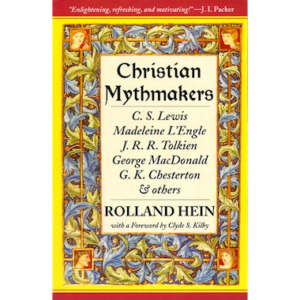
Clyde Kilby on the power of myth to bring together “the slender hints of the knowable”
Modernity’s crisis of place
Craig Bartholomew reflects on the importance of place to our humanity. (58 minutes)
The inward eye, cosmic truth, and making well
Andrew Kern takes his listeners along an “interlinear” reading of a portion of St. Augustine’s Confessions that explores the differences between how God makes and how we create. (38 minutes)
The cost of “killing” God
In this October 2023 lecture, Carl Trueman explores the concept of “desecration” as a frame for understanding the nature of modernity in our time. (42 minutes)
How music blesses and teaches

Cosmic realities in the built world
Christopher and Christine Perrin discuss the implications of architect Christopher Alexander’s (1936–2022) discovery of patterns of building that cohere with the the created cosmos and with ourselves as human creatures. (59 minutes)
Utopian dreams and cynicism
John Durham Peters discusses the history of the idea of communication, saying that our hopes are too high when we believe that the solution to social discord is just better communication. (49 minutes)

Man as “both mystic and hobbit”
D. C. Schindler explores how building is a quintessential human activity and an expression of our view of the meaning of reality. (47 minutes)
Setting the liberal arts free
In addressing the state of liberal arts education in the U.S., Gilbert Meilaender raises some core questions and makes some surprising proposals. (28 minutes)
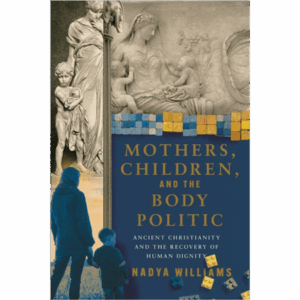
A Christian understanding of human nature
Postmodern culture and the gospel
The recovery of an integrated ecology
In this essay, Michael Hanby unpacks the summons of Laudato si’ to an ecological way of life based on a proper understanding of creation in its fullness and integrity. (57 minutes)
Politics and the good
The profound drama of human sexuality
In this lecture, D. C. Schindler explains the cosmological significance of human sexuality and why it is paradigmatic of the relationship between nature and freedom. (32 minutes)

A poet’s relationship to time

The downward spiral of all technocracies
Andrew Willard Jones explains the two paths that exist with the development of new technologies: one which leads to an expansion of the humane world and one which exploits and truncates both Creation and humanity. (65 minutes)
To see people as people
Anthony Bradley argues that a recovery of Christian personalism is needed to counter the dehumanization, polarization, and tribalism of our day. (45 minutes)
Ethical issues in neurobiological interventions
William Hurlbut explores current neurobiological advancements and the ethics and dangers of biotechnology interventions that go beyond therapy. (62 minutes)