
Knowing and living our metaphysical totality
Clyde Kilby on the power of myth to bring together “the slender hints of the knowable”
When myth becomes fact
In this 1976 interview, Clyde Kilby (1902–1986) discusses C. S. Lewis’s critique of scientism and rationalism, his belief in the primacy of the imagination, and his mythic vision. (37 minutes)
Theology and the imagination
Jeffrey Barbeau explains what made C. S. Lewis an effective “translator” of theology for non-theologians. (21 minutes)
Sacred and Profane Love: Graham Greene and the Catholic Imagination
Katy Carl discusses novelist Graham Greene’s fiction and spiritual struggles in light of the concept of the Catholic imagination. (49 minutes)
“A man after reality”
The Transformed Vision of Samuel Taylor Coleridge
Poet Malcolm Guite explores the dramatic and even prophetic parallels between the life of Samuel Taylor Coleridge and that of the titular character in his famous poem “The Rime of the Ancient Mariner.” (59 minutes)
The idiom for the revelation of mystery
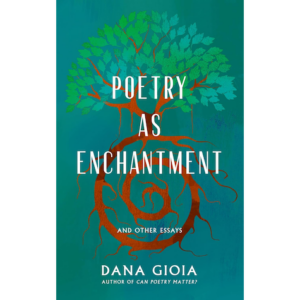
Dana Gioia on the foundational place of poetry in Christian faith
Flannery at 100
In honor of Flannery O’Connor’s 100th birthday, we have gathered here an aural feast of interviews with O’Connor scholars and aficionados discussing her life, work, and faith. (3 hours, 28 minutes)
Ideas made incarnate
In this lecture, Karen Swallow Prior examines the power of great literature to shape lives, nourish imaginations, and develop a vision of the good life. (43 minutes)
Knowing by heart
D. C. Schindler reflects on Plato’s idea of “conversion” in education, assuming the symbol of the heart as the center of man. (39 minutes)
A prophetic “wake-up call”
In this 2024 lecture honoring the bicentennial of George MacDonald’s birth, Malcolm Guite explores MacDonald’s power to awaken readers’ spirits and effect in them a change of consciousness. (59 minutes)

Perceiving truths that dazzle gradually
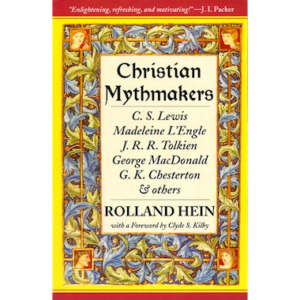
Rolland Hein on lessons from George MacDonald about the imagination as a spiritual faculty
Foolishness, gravity, and the Church
In this essay, Albert L. Shepherd V explains why George MacDonald’s story “The Light Princess” is meant for “all who are childlike in faith and imagination.” (8 minutes)
Victorian ideas about belief and doubt
Apprehending the enduring things
Vigen Guroian explains how children’s literature has the capacity to birth the moral imagination in our children, affirming for them the permanent things. (53 minutes)
Mars Hill Audio Journal, Volume 162
FEATURED GUESTS: Mark Noll, R. Jared Staudt, Paul Weston, William C. Hackett, Hans Boersma, and David Paul Baird
Developing a Christian aesthetic
In the inaugural lecture for the Eliot Society, titled “Faithful Imaginations in a Meaningful Creation,” Ken Myers addresses the question of the relationship between the arts and the Church. (59 minutes)
The rediscovery of meaning
Poet and theologian Malcolm Guite explains Owen Barfield’s idea of the development of consciousness over time, an evolution made evident through language that reveals an earlier, pre-modern way of seeing the world. (63 minutes)
