
When myth becomes fact
In this 1976 interview, Clyde Kilby (1902–1986) discusses C. S. Lewis’s critique of scientism and rationalism, his belief in the primacy of the imagination, and his mythic vision. (37 minutes)
Reason and the love of truth
The “sovereign uselessness of moral reflection”
Calling on the wisdom of St. Augustine, Oliver O’Donovan reminds his listeners that all knowledge participates in the eternal Logos of God and is rooted in love, not disinterested moral judgement.(Lecture 1 of 3; 52 minutes)
Beyond a reasonable doubt
From a 1980 interview with Ken Myers, Mortimer J. Adler discusses his argument that belief in the existence of God is rational. (14 minutes)
Universities as the hosts of reciprocating speech
Robert Jenson on how the Christian understanding of Truth in a personal Word shaped the Western university
“A man after reality”
Knowing and doing the good
Oliver O’Donovan raises several key questions and complications involved in the task of taking concrete and practical action toward a recognized moral good. (Lecture 3 of 3; 63 minutes)
Attentiveness to the world, the self, and time
Oliver O’Donovan uses the metaphor of waking to discuss the concept of moral sensibility as attention to the world, the self, and time. (Lecture 1 of 3; 60 minutes)
A life well lived
In this essay, Stanley Hauerwas explains the breadth and depth of Alasdair MacIntyre’s thought, the goal of which was to help people to act intelligibly and live morally worthy lives. (40 minutes)
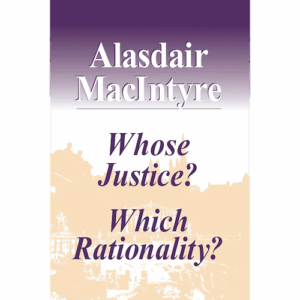
How the Enlightenment blinded us
Alasdair MacIntyre on the dependence of rationality on a lived tradition
The Transformed Vision of Samuel Taylor Coleridge
Poet Malcolm Guite explores the dramatic and even prophetic parallels between the life of Samuel Taylor Coleridge and that of the titular character in his famous poem “The Rime of the Ancient Mariner.” (59 minutes)
Politics and the good
The dramatic ecstasy of reason
Wonder, being, skepticism, and reason
The need to recollect ourselves as whole persons
In this 2016 lecture, John F. Crosby explores key personalist insights found in the thinking of John Henry Newman and Romano Guardini. (60 minutes)
A prophetic “wake-up call”
In this 2024 lecture honoring the bicentennial of George MacDonald’s birth, Malcolm Guite explores MacDonald’s power to awaken readers’ spirits and effect in them a change of consciousness. (59 minutes)
William Cowper: Reconciling the Heart with the Head
Daniel E. Ritchie discusses the life and work of poet William Cowper (1731–1800), comparing his commitment to understanding reality through personal knowledge, intuition, and rigorous contemplation with the thought of Michael Polanyi. (43 minutes)
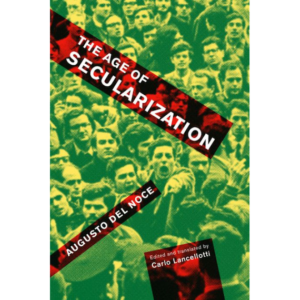
Recovering the primacy of contemplation
Augusto Del Noce finds in St. Augustine resources to diagnose the fatal flaw in progressivism
The historian’s communal role as storyteller
The Life was the Light of men
In a lecture from 2018, Ken Myers contrasts the Enlightenment’s understanding of reason with the Christocentric conception of reason. (57 minutes)
