
PREVIEW
Guests heard on Volume 97
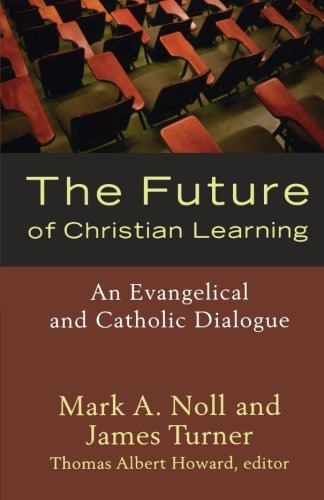
Mark Noll, author of The Future of Christian Learning: An Evangelical and Catholic Dialogue, on how Christian higher education is aided by a commitment to something like Christendom, a commitment to the assumption that the Gospel has consequences for all of life and all of social experience
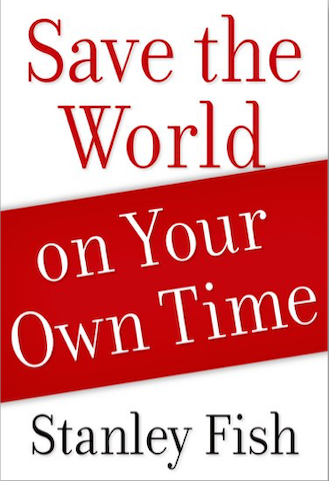
Stanley Fish, author of Save the World on Your Own Time, on how university professors should refrain from bringing their own political, philosophical, and religious commitments into the classroom
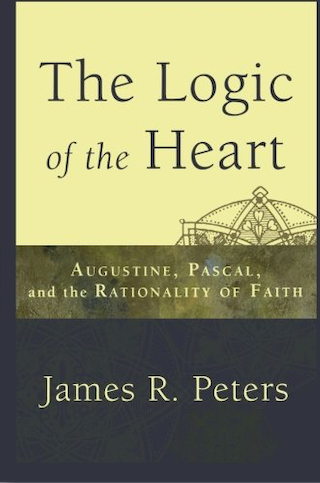
James Peters, author of The Logic of the Heart: Augustine, Pascal, and the Rationality of Faith, on how Plato, Aristotle, Augustine, Pascal, and many others had an understanding of the nature and purpose of reason quite different from the common modern understanding (Archive Feature available)
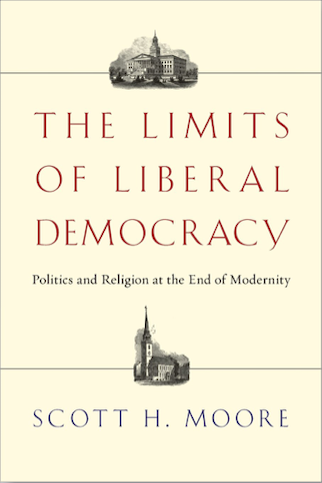
Scott Moore, author of The Limits of Liberal Democracy: Politics and Religion at the End of Modernity, on cultivating an understanding of politics that goes beyond mere statecraft, and on the limits of the notion of rights
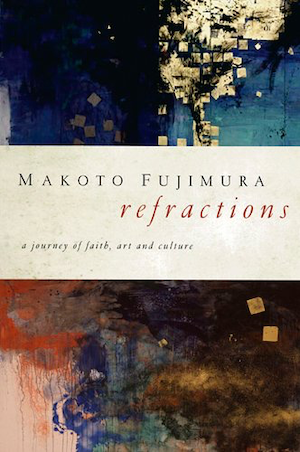
Makoto Fujimura, author of Refractions: A Journey of Faith, Art, and Culture, on how his work as a painter is enriched by writing, why artists need to cultivate an attentiveness to many things, and how visual language expresses experience
Note to listeners:
The Wendell Berry essay cited by Ken Myers after the Stanley Fish interview is “The Loss of the University,” which is contained in Home Economics (North Point Press, 1987). The exchange between Stanley Fish and Fr. Richard John Neuhaus on religion and liberalism was contained in the February 1996 issue of First Things; the text of this exchange is available at the magazine’s website. See also Stanley Fish’s blog entry for September 2, 2007, called “Liberalism and Secularism: One and the Same.”
Click on the tags below for listings of related readings or audio features.