
Moral reasoning and human flourishing
Tim McIntosh describes moral philosopher Alasdair MacIntyre’s intellectual conversion to a synthesis of Aristotelian ethics and Christianity, best embodied in Thomism. (44 minutes)
The Protestant project and indifference concerning God
Stanley Hauerwas on Alasdair MacIntyre’s critique of Protestant liberals

A life well lived
In this essay, Stanley Hauerwas explains the breadth and depth of Alasdair MacIntyre’s thought, the goal of which was to help people to act intelligibly and live morally worthy lives. (40 minutes)
The roots of “the indignant self-righteousness of protest” in modern politics
Alasdair MacIntyre on why unmasking nefarious motives became “one of the most characteristically modern of activities”
How the Enlightenment blinded us
Alasdair MacIntyre on the dependence of rationality on a lived tradition

It takes a character (and a village)
Herbert McCabe, O.P. on the Aristotelian, Thomistic, and MacIntyrean account of the moral life
An impoverished anthropology
The historian’s communal role as storyteller
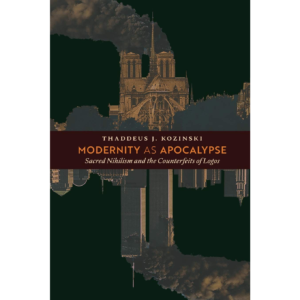
The loss of awe, the idolatry of partial thinking
Thaddeus J. Kozinski on reading modernity’s symptoms wisely (and wonder-fully)
The inevitability of escalating public animosity
With excerpts from books and lectures by Alasdair MacIntyre, Oliver O'Donovan, and Wendell Berry, Ken Myers argues that modern political theory has guaranteed increasing levels of public conflict. (19 minutes)
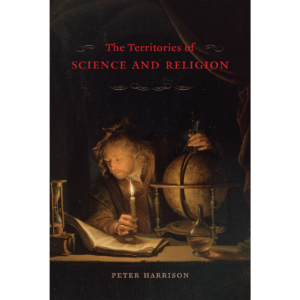
How science became the omnipotent arbiter of genuine knowledge
Peter Harrison on the creation of an allegedly neutral public sphere
The problem with patriotism in secular democracies
Alasdair MacIntyre on the systematic rejection of the tradition of the virtues in modern political institutions
Principles have to be discovered, not chosen
Alasdair MacIntyre on the problem of natural law and contemporary culture
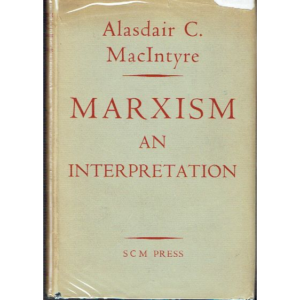
The danger of a self-marginalizing religion
Alasdair MacIntyre on how the task of religion is to help see the secular as the sacred, the world as under God.
Roger Kimball: “Josef Pieper: Leisure and Its Discontents”
Roger Kimball introduces listeners to Josef Pieper’s arguments about the nature of leisure, which are claims about the nature of philosophy and of human well-being. (34 minutes)
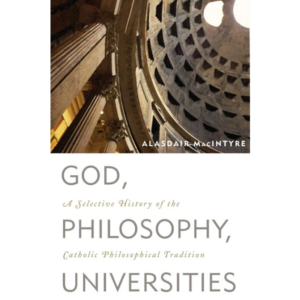
Why Johnny can’t think coherently
Alasdair MacIntyre on the importance of theology in liberal arts education
Free trade zone for preferences
Philip Turner examines “the subversion of Christian belief and practice by the logic of autonomous individualism”