
The Bride of Christ
John Cavadini explores the different views of Origen and Augustine as to the nature and mission of the Church, and he calls for a recovery of the identity of the Church as the Bride of Christ. (38 minutes)
Reason and the love of truth

Early ambivalence toward anti-Nazi resistance

A “cosmological omnibus”
George Grant recounts the fascinating history of Hernando Colón’s attempt in the 16th century to curate a universal library of the world’s knowledge. (41 minutes)
Silence at the end of history
Alan Jacobs examines several literary imaginings of “the last days” and argues that such narration is profoundly inadequate and perhaps even presumptuous. (51 minutes)
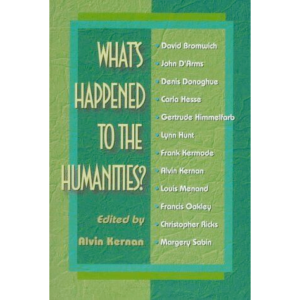
The de(con)struction of the humanities (and of truth)
Historian Gertrude Himmelfarb on the skeptical tendencies of the postmodern academy
The life of the city in poetry
The theological significance of current events
Countering American apathy toward history

Virgil and purposeful history
In this lecture from June 2019, classical educator Louis Markos examines Book II of The Aeneid to argue that Virgil had an eschatological view of history. (68 minutes)
Only a dying civilization neglects its dead
Historian Dermot Quinn discusses the work of fellow historian Christopher Dawson (1889–1970). (15 minutes)
Christopher Dawson: Chronicler of Christendom’s Rise and Fall
Dermot Quinn discusses historian Christopher Dawson’s meta-historical perspective and his wisdom about what makes cultures healthy or unhealthy. (54 minutes)
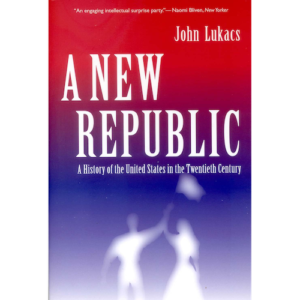
From democracy to bureaucracy
Historian John Lukacs on the challenges of living at the End of an Age
Ideas and historical consequences
Historian John Lukacs (1924–2019) discusses the relationship between institutions and character, popular sentiment versus public opinion, the distinction between patriotism and nationalism, and the very nature of studying history. (36 minutes)
The historian’s communal role as storyteller
Three historians on history
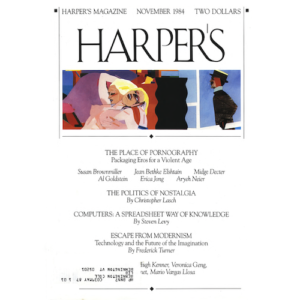
The past as presence, not souvenir
Historian Christopher Lasch on the importance of recognizing our dependence on the past
“How deep the problems go”
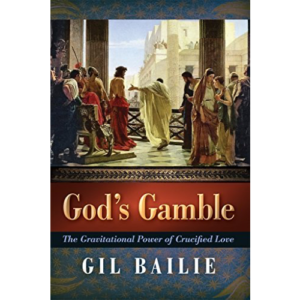
Christ, the key to human meaning
Gil Bailie on how the coming of Christ affirmed the intelligibility of human history (and why the abandonment of Christ invites unreason)
Mars Hill Audio Journal, Volume 159
FEATURED GUESTS:
Kirk Farney, Andrew Willard Jones, James L. Nolan, Jr., Andrew Kaethler, Peter Ramey, and Kathryn Wehr
