

Choices about the uses of technology
This Feature presents interviews with David Nye and Brian Brock related to how we evaluate adoption of new technology and how technology influences our thinking. (31 minutes)
What it means to be a person
The problem with dynamism without direction
Paulina Borsook on the biological paradigm of technolibertarianism’s love of spontaneous dynamism, whatever the costs
The libertarian spawning-ground of tech bros
Paulina Borsook on high tech’s long-standing animosity toward government and regulation
Tech bros and public power
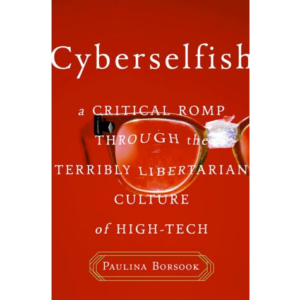
Paulina Borsook discusses the “bizarrely narcissistic” and ultra-libertarian culture of Silicon Valley. (22 minutes)

Voluntarily silencing ourselves
Souls in cyberspace
Life in a frictionless, synthetic world
The digital revolution and community

Metaphysical impulses beneath techno-utopianism

Post-Christian America and the “unlimited technological future”
George Parkin Grant on technology and the Puritan legacy of “unflinching wills”
Education that counters alienation
In this lecture, Jeanne Schindler explores how digital technologies warp not only education but our experience of being human. (30 minutes)

What is lost with labor-saving devices
Romano Guardini on what is lost when cultural pursuits eclipse natural order

Paradoxical attitudes toward plastic
Jeffrey Meikle traces the technological, economic, and cultural development of plastic and relates it to the American value of authenticity. (15 minutes)

Technology and the kingdom of God

The gift of meaningful work
In this lecture, D. C. Schindler argues that genuine work is inherently meaningful and facilitates an encounter with reality and therefore, ultimately, with God. (36 minutes)
Diverting language from its richest possibilities
The recovery of true authority for societal flourishing
Michael Hanby addresses a confusion at the heart of our current cultural crisis: a conflation of the concepts of authority and power. (52 minutes)
Automation and human agency
A fearful darkness in mind, heart, and spirit
Roberta Bayer draws on the work of George Parkin Grant (1918–1988) to argue that our “culture of death” must be countered with an understanding of reality based in love, redemptive suffering, and a recognition of limitations to individual control. (33 minutes)
