Mythopoeic power
Stratford Caldecott on Tolkien’s literary achievement
God also was a Cave-man
G. K. Chesterton on the convergence of omnipotence and impotence in Bethlehem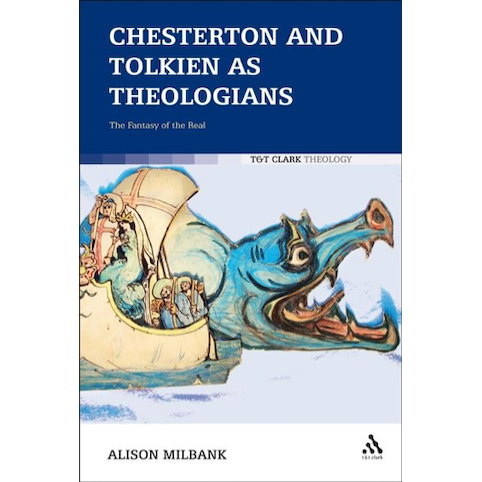
The (super)natural theology of fairy-tales
Alison Milbank describes Chesterton’s belief that story-telling is an affirmation of transcendent meaning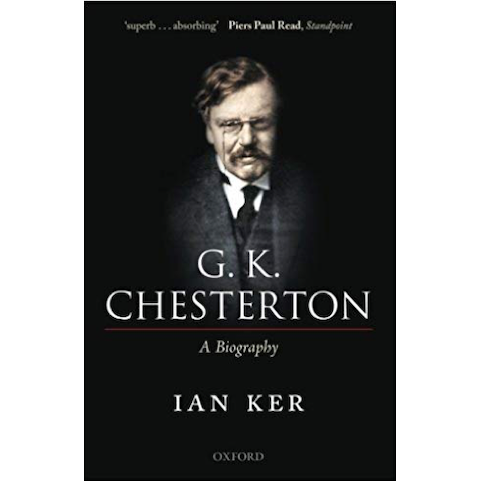
Accounting for “the unfathomable sadness of pagan poetry”
Biographer Ian Ker on Chesterton’s rejection of the idea of the evolution of religions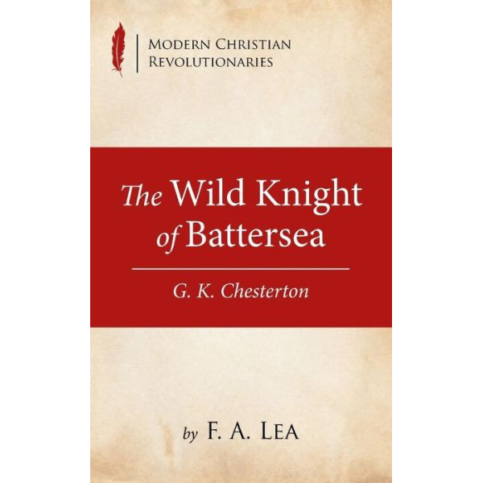
Seeing things as they are
F. A. Lea on the imaginative vision of G. K. Chesterton
St. Thomas the anthropologist
G. K. Chesterton on Aquinas’s complete Science of Man
Not “mere” matter
David Bentley Hart on the spirituality of the material world
Radical faith in the nothing
David Bentley Hart on the nihilism of worshiping mere choice
Shrinking sources of causality
David Bentley Hart on the loss of a recognition of inherent meaning in the natural world
Dreary atheist fundamentalism
David Bentley Hart defends the naturalness of religious belief against the assertions of the Naturalists