Skip to content
Mars Hill Audio
Sound. Thinking.
Mars Hill Audio
  • Home
  • About
    • Why MHA?
    • Who we are
    • What’s new?
    • Meet our Guests
    • Meet our Partners
    • News from Partners
    • Listen for free
    • Help
  • Sound Thinking
  • Indexes
    • Topic Index
    • Guest Index
    • Author Index
  • Catalog
    • Journals
    • Friday Features
    • Archive Features
    • Bonus Features
    • Conversations
    • Anthologies
    • Areopagus Lectures
    • Reports
    • Audio Reprints
    • Audiobooks
  • Contribute
  • Gift
  • Sign Up
  • Log In
Search:
Search
  • Home
  • About
    • Why MHA?
    • Who we are
    • What’s new?
    • Meet our Guests
    • Meet our Partners
    • News from Partners
    • Listen for free
    • Help
  • Sound Thinking
  • Indexes
    • Topic Index
    • Guest Index
    • Author Index
  • Catalog
    • Journals
    • Friday Features
    • Archive Features
    • Bonus Features
    • Conversations
    • Anthologies
    • Areopagus Lectures
    • Reports
    • Audio Reprints
    • Audiobooks
  • Contribute
  • Gift
  • Sign Up
  • Log In

Ken Myers

Recognizing the Puritan flavor of “America”

Book excerptBy Ken MyersJanuary 18, 2025
George McKenna on the originally theocentric vision for the American vocation

Angelic voices: saying or singing?

Book excerptBy Ken MyersDecember 30, 2024
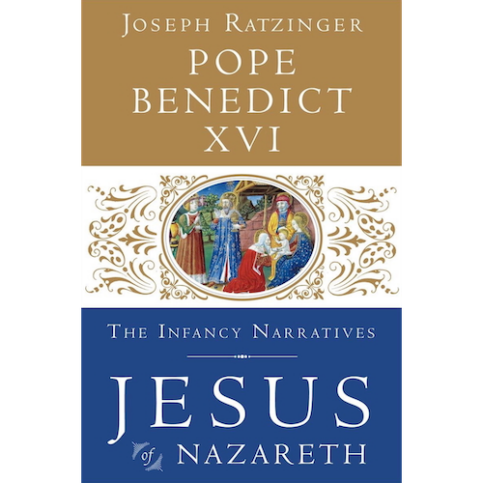
Pope Benedict XVI on the intrinsically musical character of angelic utterance

“You love the man at once”

Book excerptBy Ken MyersDecember 10, 2024
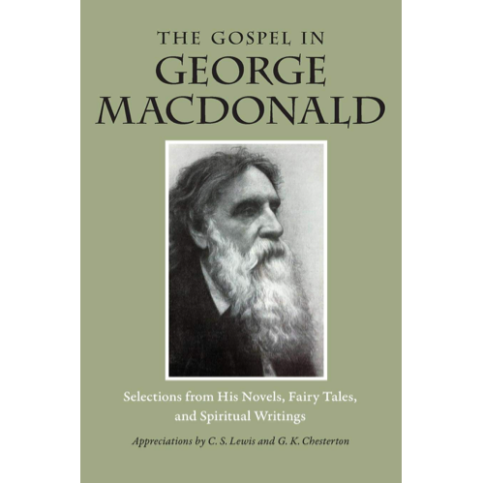
Marianne Wright on the generosity and geniality of George MacDonald

Perceiving truths that dazzle gradually

Book excerptBy Ken MyersDecember 10, 2024
Rolland Hein on lessons from George MacDonald about the imagination as a spiritual faculty

We wonder as they wander

Book excerptBy Ken MyersDecember 10, 2024
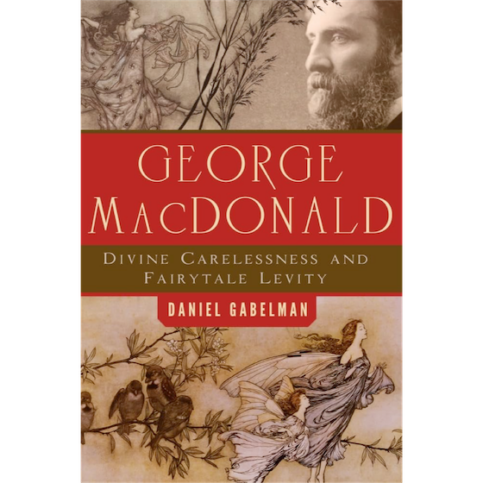
Daniel Gabelman on the spiritual geography of George MacDonald’s fairyland

What is lost with labor-saving devices

Book excerptBy Ken MyersNovember 26, 2024
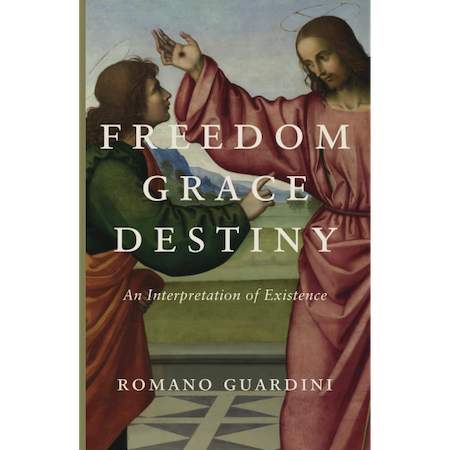
Romano Guardini on what is lost when cultural pursuits eclipse natural order

Faith that is more than “chemically pure”

Book excerptBy Ken MyersNovember 26, 2024
Romano Guardini on sustaining a Christian understanding of all of Creation

The confident optimism in true Christian asceticism

Book excerptBy Ken MyersNovember 2, 2024
Philosopher Étienne Gilson on the essential goodness of Creation

The fatal polytheism of late liberalism

Book excerptBy Ken MyersOctober 24, 2024
Oliver O’Donovan on the failure that leads to social collapse, marked by conflict, suspicion, and violence

Chameleon karma: the fate of plasticity

Book excerptBy Ken MyersOctober 24, 2024
Cultural historian Jeffrey L. Meikle on how the ubiquity of plastic affected the moral imagination of 20th-century Americans

Touch’d with a coal from heav’n

Book excerptBy Ken MyersSeptember 14, 2024
Daniel Ritchie finds in the poetry of William Cowper (1731–1800) an anticipation of Michael Polanyi’s epistemology

Recovering the primacy of contemplation

Book excerptBy Ken MyersSeptember 6, 2024
Augusto Del Noce finds in St. Augustine resources to diagnose the fatal flaw in progressivism
←1
234567891011
…1213141516…
171819202122232425262728293031323334353637
38→
MENU:
  • Home
  • Help
  • About Mars Hill Audio
  • Legacy Library
  • Give a membership
  • Sign up
  • Privacy Policy
  • Contact us


Since 1993 — with the help of hundreds of interviewees — we’ve been exploring the complex factors that have given modern Western culture its distinctive (and often disturbing) character. We also try to describe what cultural life — its practices, beliefs, and artifacts — might look like if it was the product of thoughtful Christian imaginations. We hope our growing treasury of conversations and commentary provides resources for faithfulness in an often perplexing moment.

Keep me informed

* indicates required
Mars Hill Audio
Go to Top

Conversations from 2020


Every volume of the Journal produced since November 1999 (Volume 40) is now available to members in our catalog, and on the first Friday of each month, we will highlight one of these archived collections of interviews. The entire highlighted volume will be available for one month to members and to anyone who signs up for a free Visitor’s Pass.* 

Volume 146 of the Journal, produced in February 2020, is this month’s free sample volume. In this Friday Feature you will hear excerpts from interviews with Mark Mitchell about why the modern denigration of tradition has rendered political life so volatile; with Hans Boersma about how the ultimate end of seeing God should inform how we live now; with Henry Edmondson, III, about political ideas in Flannery O’Connor’s work; with Brian Clayton and Douglas Kries about integrating faith and reason; with Conor Sweeney about wrestling with the ‘death of God’ with the help of hobbit wisdom; and with Carole Vanderhoof about Dorothy L. Sayers. 

*Follow the instructions on our “Listen for free” page to sign up for a free Visitor’s Pass. With this Pass, you can download these audio files to our app on your mobile device. NB: We don’t sell or share our listeners’ information with anyone else. No one who signs up for any of our memberships, free or paid, need fear that their contact information will be sold or shared with any other entity.

Antón Barba-Kay on the shape of the virtues in the digital age


What virtues do we need to live well in our digital age, and how might those virtues be best formed, not only individually but as communities? In this March 2026 lecture, Antón Barba-Kay examines the notion of virtue ethics, a concept that has become increasingly alien to many. He then discusses how digital technology actively deforms, disassociates, and disembeds our lives and experiences. Barba-Kay proposes key principles that educational institutions can embody in order to help form virtuous human beings and communities in light of what we are; and he articulates three “interlocking” virtues that relate to those principles. Throughout the lecture, he offers reflections on these issues from his teaching experience at Deep Springs College, a unique school that forms students through academics, self-government, and manual labor.